
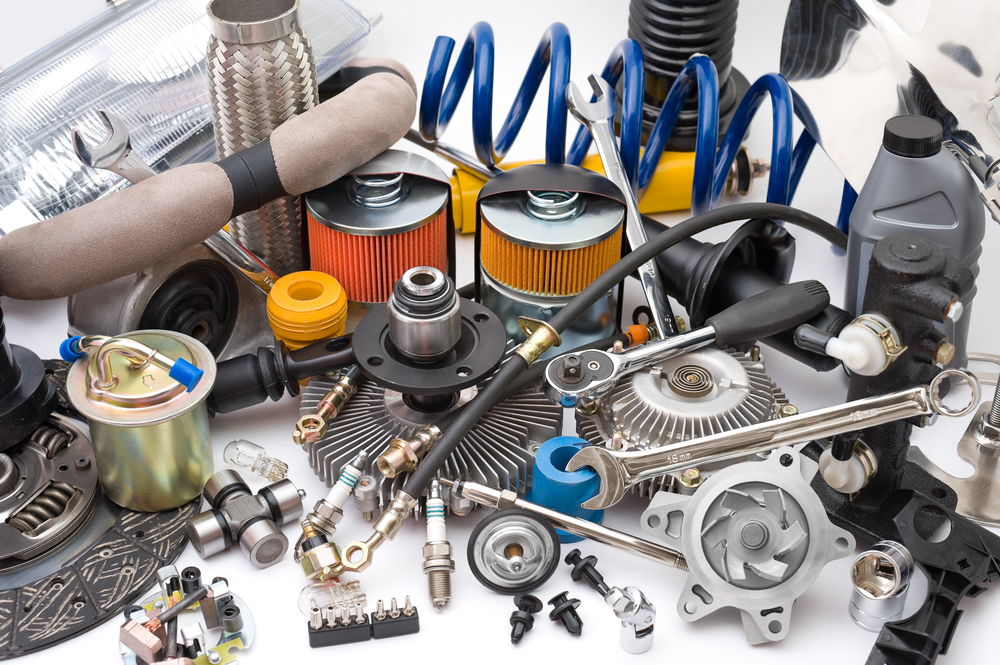
Introduction: The Hidden Cost of Cheap Spare Parts
Every vehicle owner faces the same dilemma at some point: should I buy the expensive genuine part or save money with a cheaper alternative? In Zimbabwe's challenging economic environment, the temptation to choose the lower-priced option is understandable. However, what many don't realize is that counterfeit and substandard spare parts often cost more in the long run—through frequent replacements, damage to other components, reduced fuel efficiency, and even safety risks.
At First Quantum Resources, we believe that quality should never be compromised when it comes to vehicle safety and reliability. Whether you're a private car owner, a fleet manager, or a transport company, using genuine motor vehicle spare parts protects your investment, ensures your safety, and reduces long-term operating costs. This comprehensive guide explores the differences between genuine and counterfeit parts, the risks of substandard components, and how to identify authentic spares.
"The bitterness of poor quality remains long after the sweetness of low price is forgotten. Genuine spare parts may cost more upfront, but they save you money, time, and potentially your life."
Understanding the Difference: Genuine vs. Counterfeit Parts
Not all spare parts are created equal. Understanding the differences is critical for informed purchasing decisions.
Genuine (Original Equipment Manufacturer - OEM) Parts
OEM parts are manufactured by the same company that produced the original components in your vehicle. These parts:
- Meet the exact specifications, tolerances, and quality standards of the original part.
- Undergo rigorous testing and quality control processes.
- Come with manufacturer warranties.
- Are designed to work seamlessly with other vehicle systems.
- Have documented traceability and authenticity features.
Aftermarket Parts
Aftermarket parts are produced by third-party manufacturers. Quality varies widely:
- Quality Aftermarket: Some aftermarket brands produce parts that meet or exceed OEM standards at competitive prices.
- Economy Aftermarket: Lower-cost parts with reduced quality, shorter lifespan, and potential fitment issues.
- Counterfeit/Fake: Parts illegally branded as OEM or reputable brands, often with dangerous defects.
Counterfeit Parts
Counterfeit parts are illegal copies that:
- Use inferior materials that fail prematurely.
- Have incorrect dimensions leading to fitment problems.
- Lack proper quality control or testing.
- May fail catastrophically, causing accidents or further damage.
- Are often indistinguishable from genuine parts without expert inspection.
Critical Components Where Quality Matters Most
1. Brake Systems
Brakes are your vehicle's most critical safety system. Substandard brake components can have catastrophic consequences:
- Brake Pads: Genuine pads use friction materials engineered for your vehicle's weight and performance. Counterfeit pads may have inconsistent friction, excessive dust, noise, or rapid wear. They can also damage rotors.
- Brake Discs/Rotors: OEM rotors are precisely balanced and metallurgically matched to your vehicle. Counterfeit rotors may warp, crack, or wear unevenly.
- Brake Calipers: Genuine calipers have proper seals, pistons, and corrosion protection. Failures can cause brake drag or complete loss of braking.
- Brake Hoses: OEM hoses meet pressure and temperature specifications. Inferior hoses can burst, causing sudden brake failure.
Warning Signs of Substandard Brake Parts: Spongy pedal feel, pulling to one side, unusual noises (grinding, squealing), premature wear, brake fluid leaks.
2. Engine Components
The engine is your vehicle's heart. Using counterfeit engine parts risks costly failures:
- Oil Filters: Genuine filters have proper filtration media, bypass valves, and anti-drainback valves. Counterfeit filters may have inadequate filtration, leading to engine wear and sludge buildup. Some even disintegrate internally, blocking oil passages.
- Air Filters: OEM filters balance filtration efficiency with airflow. Poor-quality filters either restrict airflow (reducing power and fuel economy) or allow contaminants into the engine.
- Fuel Filters: Counterfeit filters may not remove water and contaminants effectively, leading to injector damage and poor performance.
- Spark Plugs: Genuine plugs have precise electrode gaps and materials. Counterfeit plugs can misfire, cause rough idling, reduce fuel economy, and even damage ignition coils.
- Timing Belts/Chains: A failed timing belt can destroy an engine. Genuine belts meet strength and durability standards; counterfeit belts may fail prematurely with catastrophic consequences.
- Gaskets and Seals: OEM gaskets are designed for specific compression and temperature ranges. Counterfeit gaskets often leak, causing oil or coolant loss.
3. Suspension and Steering Components
Your vehicle's handling and stability depend on quality suspension parts:
- Shock Absorbers and Struts: Genuine units are calibrated for your vehicle's weight and handling characteristics. Counterfeit shocks provide poor damping, reducing tire contact with the road and extending stopping distances.
- Ball Joints and Tie Rod Ends: Failure of these components can cause loss of steering control. Genuine parts use proper materials and manufacturing processes; counterfeit parts may have poor welds, incorrect hardening, or inadequate grease retention.
- Control Arms and Bushings: Substandard bushings wear rapidly, causing alignment issues, uneven tire wear, and poor handling.
4. Electrical Components
Modern vehicles have complex electrical systems that demand quality components:
- Alternators and Starters: Genuine units have proper windings, bearings, and regulators. Counterfeit units often fail quickly, leaving you stranded.
- Sensors (O2, MAF, ABS, etc.): Vehicle computers rely on accurate sensor data. Counterfeit sensors provide incorrect readings, triggering warning lights, poor performance, or safety system malfunctions.
- Batteries: OEM batteries meet cold-cranking amp (CCA) and reserve capacity specifications. Cheap batteries may fail in cold weather or have short lifespans.
- Fuses and Relays: Counterfeit electrical components may not have proper current ratings, risking electrical fires.
5. Cooling System Components
- Water Pumps: Genuine pumps have proper bearings, seals, and impeller designs. Counterfeit pumps may leak or fail, causing engine overheating.
- Thermostats: OEM thermostats open at the correct temperature. Incorrect thermostats cause engines to run too cold (reducing efficiency) or too hot (risking damage).
- Radiators and Hoses: Substandard radiators have poor cooling capacity; inferior hoses can burst under pressure.
6. Transmission Components
- Transmission Filters and Fluid: Using incorrect fluid or filters can cause transmission slippage, harsh shifts, or complete failure—a very expensive repair.
- Clutch Kits: Genuine clutches are balanced and use proper friction materials. Counterfeit clutches may chatter, slip, or fail prematurely.
The Hidden Costs of Counterfeit Parts
Choosing cheap, substandard parts often leads to higher total costs:
- Frequent Replacement: A genuine brake pad might last 50,000 km; a counterfeit pad may need replacement every 10,000 km. The math is clear.
- Secondary Damage: A failing water pump can damage the timing belt, leading to engine destruction—a repair costing thousands of dollars.
- Reduced Fuel Economy: Poor-quality air filters, spark plugs, and sensors can reduce fuel efficiency by 10-20%.
- Increased Maintenance: Substandard parts cause more frequent breakdowns, towing costs, and lost productivity.
- Resale Value: Vehicles with documented genuine parts command higher resale prices.
- Safety Risks: The cost of an accident from brake or steering failure cannot be measured in money alone.
The Prevalence of Counterfeit Parts in Zimbabwe
Zimbabwe, like many countries, faces significant challenges with counterfeit motor vehicle parts. Factors contributing to this problem include:
- Economic Pressure: High import costs and currency fluctuations drive consumers toward cheaper alternatives.
- Lax Enforcement: Limited resources for customs inspection and market surveillance allow counterfeit goods to enter the country.
- Complex Supply Chains: Parts may pass through multiple distributors, making authenticity verification difficult.
- Sophisticated Counterfeiting: Modern counterfeiters produce packaging that is nearly indistinguishable from genuine products.
- Online Marketplaces: Unregulated online sales provide opportunities for counterfeiters to reach consumers directly.
According to industry estimates, counterfeit auto parts account for 5-10% of the global spare parts market. In some regions, the figure is even higher. Every vehicle owner must be vigilant.
How to Identify Genuine Parts
Visual Inspection
- Packaging: Genuine parts come in high-quality packaging with consistent branding, clear printing, and security features (holograms, QR codes).
- Part Markings: OEM parts have stamped or engraved part numbers, manufacturer logos, and date codes. Counterfeit markings may be blurry, incorrect, or easily removable.
- Materials and Finish: Genuine parts have consistent paint, plating, or coating. Counterfeit parts may have rough surfaces, casting flash, or uneven finishes.
- Hardware: OEM bolts, nuts, and fasteners have proper markings and thread quality. Counterfeit hardware often has poor fit or weak materials.
Physical Verification
- Weight: Genuine parts often feel heavier due to proper material density. Counterfeit parts may feel light or flimsy.
- Fitment: Genuine parts fit perfectly. Counterfeit parts may require modification, force, or simply not align.
- Part Number Cross-Reference: Verify that the part number matches your vehicle's specifications using manufacturer databases or reputable parts catalogs.
Purchase from Reputable Sources
- Authorized Dealers: The safest source is an authorized dealer or distributor.
- Established Parts Retailers: Companies like First Quantum Resources with long-standing reputations in Zimbabwe.
- Verified Online Suppliers: If buying online, check reviews, return policies, and authenticity guarantees.
Use Technology
- QR Codes and Apps: Many manufacturers provide verification apps to scan codes and confirm authenticity.
- Serial Number Lookup: Some manufacturers allow serial number verification on their websites.
Common Counterfeit Parts to Watch For
Certain parts are more frequently counterfeited than others:
- Brake Pads: Extremely common counterfeits due to high volume and simple appearance.
- Oil Filters: Cheap to produce, difficult for consumers to verify quality.
- Air Filters: Simple design makes counterfeiting easy.
- Spark Plugs: Small and high-volume, frequently counterfeited.
- Belts and Hoses: Easy to copy with poor materials.
- Wheel Bearings: Critical safety component with frequent counterfeits.
- Sensors: Growing target as vehicle electronics increase.
Benefits of Using Genuine Parts
Safety
Genuine parts are engineered and tested to meet safety standards. Brakes stop, steering responds, and critical systems function as designed. Your life and the lives of your passengers depend on this.
Reliability
Genuine parts are less likely to fail unexpectedly. This means fewer roadside breakdowns, less towing expense, and lower frustration. For commercial fleets, reliability translates directly to revenue.
Longevity
While genuine parts have higher upfront cost, they typically last 2-3 times longer than counterfeit alternatives. Over the life of your vehicle, genuine parts are more economical.
Warranty Protection
Using non-genuine parts can void your vehicle's warranty. Manufacturers specify that repairs must use OEM-equivalent parts to maintain coverage.
Vehicle Performance
Genuine parts ensure your vehicle performs as designed—optimal fuel economy, power delivery, ride comfort, and handling.
Resale Value
A documented service history using genuine parts increases resale value. Buyers pay premium for well-maintained vehicles.
How First Quantum Resources Ensures Quality
At First Quantum Resources, we are committed to supplying only genuine, high-quality motor vehicle spare parts. Our quality assurance includes:
- Authorized Suppliers: We source directly from manufacturers or authorized distributors, ensuring authenticity.
- Supply Chain Control: We maintain direct relationships with suppliers, minimizing opportunities for counterfeit introduction.
- Incoming Inspection: Every shipment is inspected upon receipt to verify authenticity and quality.
- Staff Training: Our team is trained to identify counterfeit products and verify authenticity.
- Customer Verification: We can assist customers in verifying part authenticity and provide documentation upon request.
- Strategic Partnerships: We work with manufacturers who comply with our criteria for evaluation, as per international standards and legal requirements.
Our commitment to quality extends to our equipment calibration services, ensuring precision and accuracy for all parts and tools we supply.
Case Study: The Cost of Counterfeit Brake Pads
A commercial transport company in Harare purchased counterfeit brake pads at half the price of genuine pads. Within three months:
- Brake pads wore out completely after only 8,000 km (genuine pads typically last 40,000+ km).
- Worn pads damaged brake rotors, requiring replacement at additional cost.
- Reduced braking performance contributed to a minor rear-end collision.
- Total cost: Counterfeit pads ($30) + Rotors ($200) + Accident damages ($500) + Downtime ($300) = $1,030.
- Genuine parts would have cost: Pads ($60) + Rotors not needed ($0) + No accident = $60.
Lesson: The "cheap" pads cost 17 times more than genuine pads when all costs were considered.
Best Practices for Vehicle Maintenance
Develop a Maintenance Schedule
Follow your vehicle manufacturer's recommended maintenance schedule. Regular service catches problems early and prevents major failures.
Use a Trusted Mechanic
Establish a relationship with a reputable mechanic who uses quality parts and provides transparent service.
Keep Records
Document all repairs, including part numbers, suppliers, and receipts. This helps with warranty claims and resale.
Buy Parts Yourself
If your mechanic allows it, purchase parts directly from reputable suppliers like First Quantum Resources to ensure authenticity.
Ask Questions
Don't hesitate to ask your mechanic or parts supplier about part origin, warranty, and authenticity verification methods.
Conclusion: Quality is an Investment, Not an Expense
The decision to use genuine motor vehicle spare parts is an investment in safety, reliability, and long-term value. While the upfront cost may be higher, the total cost of ownership is almost always lower when you factor in longevity, reduced downtime, and accident prevention.
At First Quantum Resources, we are committed to supplying genuine, high-quality spare parts for all makes and models. We believe that every vehicle owner deserves access to parts they can trust.
Whether you need brake components, engine parts, filters, or any other spare, choose quality. Choose genuine. Choose First Quantum Resources.
Partner with First Quantum Resources
For genuine motor vehicle spare parts, quality assurance, and expert advice, contact our team today.