
Introduction: The Foundation of Food Security
Agriculture is the backbone of Zimbabwe's economy, employing over 60% of the population and contributing significantly to GDP, exports, and food security. From the fertile soils of Mashonaland to the agricultural heartlands of Manicaland and Matabeleland, farmers across the country work tirelessly to produce crops that feed the nation and generate export revenue. Yet, many farmers struggle to achieve optimal yields due to poor input quality, inadequate knowledge, and suboptimal farming practices.
At First Quantum Resources, we believe that every farmer deserves access to quality agriculture products and chemicals. The difference between a subsistence harvest and a bumper crop often comes down to the quality of inputs used. This comprehensive guide explores the essential agriculture products, chemicals, and best practices that can dramatically increase crop yields while ensuring sustainability and profitability.
"Quality inputs are not an expense—they are an investment in your harvest. The right fertilizer, the right crop protection, and the right farming practices can double or triple your yields."
The State of Agriculture in Zimbabwe
Zimbabwe's agricultural sector has shown remarkable resilience and is experiencing renewed growth. Key crops include:
- Maize: The staple food crop, grown by both commercial and smallholder farmers.
- Tobacco: Zimbabwe's leading agricultural export, known for high-quality flue-cured leaf.
- Cotton: An important cash crop, particularly in the lowveld regions.
- Soybeans: Growing demand for animal feed and edible oil.
- Wheat: Critical for bread and baking flour, grown mainly under irrigation.
- Sugar: Produced in the lowveld for domestic consumption and export.
- Horticulture: Vegetables, fruits, and flowers for local and export markets.
To maximize yields in these crops, farmers need access to high-quality seeds, fertilizers, crop protection chemicals, and modern farming equipment. First Quantum Resources supplies essential agriculture products to support Zimbabwean farmers.
Essential Agriculture Products for Maximum Yields
1. Fertilizers: Feeding Your Crops for Optimal Growth
Fertilizers provide essential nutrients that crops need to grow, develop, and produce high yields. The three primary macronutrients are:
- Nitrogen (N): Promotes leafy growth and vegetative development. Essential for maize, wheat, and leafy vegetables.
- Phosphorus (P): Supports root development, flowering, and fruiting. Critical for tobacco, cotton, and fruit crops.
- Potassium (K): Enhances disease resistance, water regulation, and overall plant health.
Secondary nutrients and micronutrients are equally important:
- Calcium, Magnesium, Sulfur: Secondary macronutrients for plant structure and enzyme function.
- Zinc, Boron, Iron, Manganese, Copper, Molybdenum: Micronutrients needed in small quantities but essential for specific plant functions.
Types of Fertilizers:
- Compound Fertilizers: Blends containing N, P, and K in specific ratios (e.g., 7-14-7 for basal application, 34-0-0 for top dressing).
- Straight Fertilizers: Single-nutrient products like Urea (46% N), Ammonium Nitrate (34% N), Single Super Phosphate (SSP), and Muriate of Potash (MOP).
- Slow-Release Fertilizers: Controlled-release formulations that provide nutrients over an extended period.
- Water-Soluble Fertilizers: For fertigation and foliar application.
- Organic Fertilizers: Compost, manure, and bio-fertilizers for sustainable farming.
Fertilizer Application Best Practices:
- Soil Testing: Always test soil before applying fertilizers to determine nutrient deficiencies and avoid over-fertilization.
- Right Source: Choose fertilizer formulations appropriate for your crop and soil.
- Right Rate: Apply recommended rates based on soil test results and crop requirements.
- Right Time: Apply nutrients when crops need them most (e.g., nitrogen top dressing at vegetative stage).
- Right Place: Band placement for phosphorus, broadcast for nitrogen, or fertigation for water-soluble products.
2. Crop Protection Chemicals: Defending Your Investment
Pests, diseases, and weeds can destroy entire harvests. Crop protection chemicals are essential tools for managing these threats.
Herbicides (Weed Control):
- Pre-emergence Herbicides: Applied before weeds emerge (e.g., Atrazine for maize).
- Post-emergence Herbicides: Applied after weeds have emerged (e.g., Glyphosate for broad-spectrum control).
- Selective Herbicides: Kill specific weeds without harming crops (e.g., 2,4-D for broadleaf weeds in cereals).
- Non-selective Herbicides: Kill all vegetation (e.g., Paraquat for land preparation).
Insecticides (Pest Control):
- Contact Insecticides: Kill pests on contact (e.g., Pyrethroids for aphids, bollworms).
- Systemic Insecticides: Absorbed by plants, killing pests that feed on them (e.g., Imidacloprid for sucking pests).
- Nematicides: Control nematodes in soil (e.g., for tobacco and vegetable crops).
- Acaricides: Control mites and ticks.
Fungicides (Disease Control):
- Protectant Fungicides: Form a barrier on plant surfaces (e.g., Copper-based products).
- Systemic Fungicides: Move within the plant to control existing infections (e.g., Triazoles for rust and blight).
- Seed Treatment Fungicides: Protect seeds and seedlings from soil-borne diseases.
Integrated Pest Management (IPM):
- Monitor pest populations regularly.
- Use economic thresholds to determine when treatment is necessary.
- Rotate chemical classes to prevent resistance.
- Combine chemical control with biological, cultural, and mechanical methods.
- Follow label instructions for rates, timing, and safety precautions.
3. Seeds and Planting Materials
Quality seeds are the foundation of a successful harvest. Key considerations include:
- Certified Seeds: Purchase from reputable suppliers with documented germination rates and purity.
- Hybrid vs. Open-Pollinated: Hybrids offer higher yields and uniformity but seeds cannot be saved; open-pollinated varieties allow seed saving.
- Drought-Tolerant Varieties: Essential for rain-fed farming in Zimbabwe's variable climate.
- Disease-Resistant Varieties: Reduce reliance on fungicides and insecticides.
- Short-Season Varieties: Suitable for areas with shorter growing windows.
4. Farming Equipment and Machinery
Modern farming equipment improves efficiency and reduces labor requirements. Essential equipment includes:
- Tractors and Implements: Ploughs, harrows, planters, and cultivators for land preparation and planting.
- Sprayers: Knapsack sprayers for small farms; boom sprayers and mist blowers for larger operations.
- Fertilizer Spreaders: Accurate application of granular fertilizers.
- Harvesting Equipment: Combine harvesters for cereals; specialized harvesters for cotton, tobacco, and horticulture.
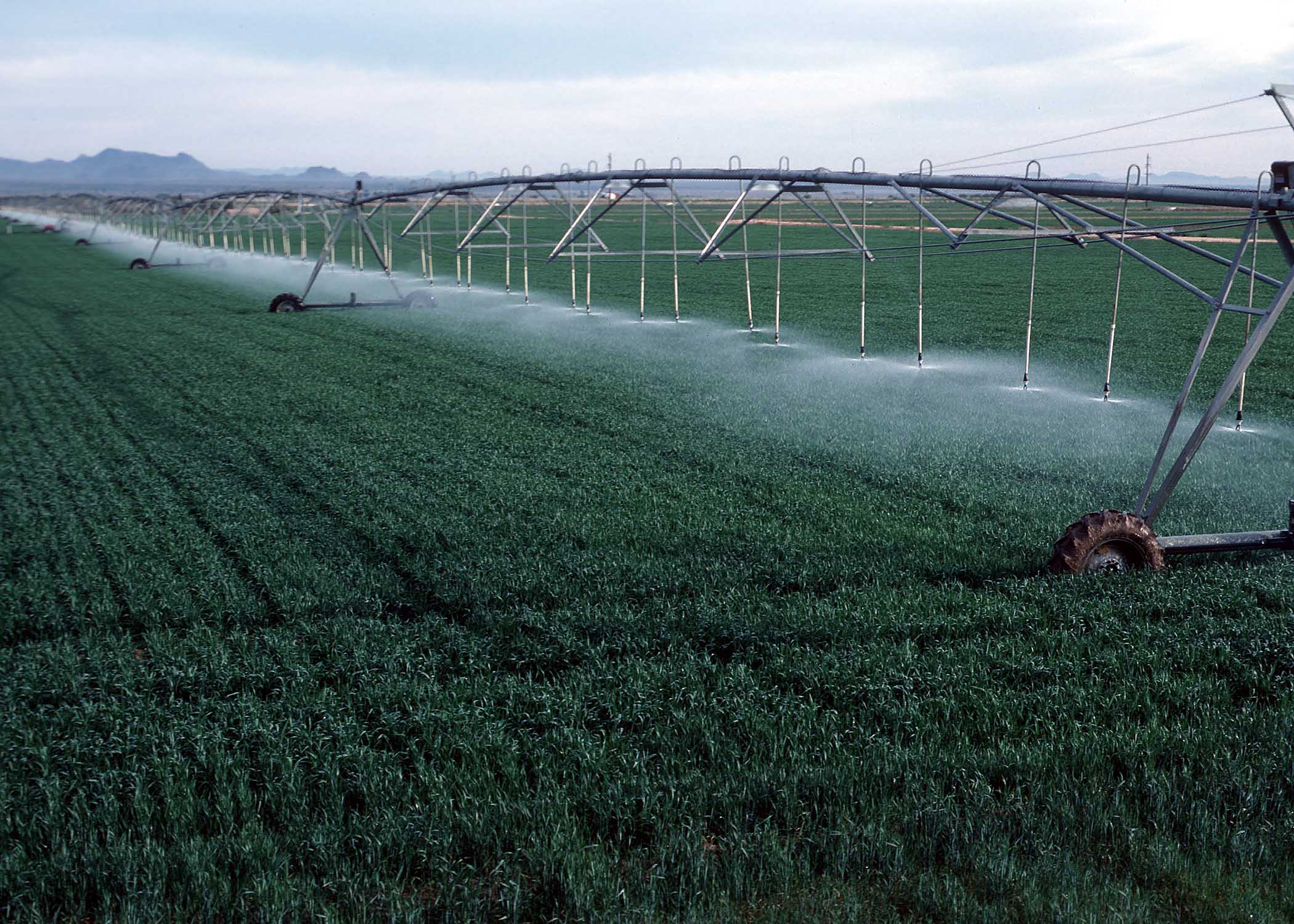
- Irrigation Equipment: Drip irrigation, sprinkler systems, and center pivots for water management.
- Post-Harvest Equipment: Dryers, shellers, grinders, and storage facilities.
First Quantum Resources supplies quality farming equipment and ensures proper calibration for accurate application. Our equipment is subject to inspection and testing at planned intervals to ensure precision.
Crop-Specific Recommendations
Maize Production
- Fertilizers: Basal application of compound fertilizer (e.g., 7-14-7 or 8-15-6) at planting; top dressing with nitrogen (Urea or AN) at knee height and tasseling.
- Herbicides: Pre-emergence (Atrazine + Metalachlor) for grass and broadleaf control; post-emergence (2,4-D) for remaining broadleaf weeds.
- Insecticides: Seed treatment for soil pests; foliar sprays for stalk borer and fall armyworm.
- Fungicides: For grey leaf spot and rust if conditions favor disease development.
- Expected Yield Increase: Proper input management can increase yields from 2-3 tons/ha to 8-10 tons/ha under good conditions.
Tobacco Production
- Fertilizers: High phosphorus and potassium formulations (e.g., 15-15-15 or 7-14-7) for leaf quality; careful nitrogen management to avoid excess.
- Pest Management: Nematicides for nematode control; insecticides for aphids and budworms.
- Disease Control: Fungicides for powdery mildew and blue mold; crop rotation for bacterial wilt.
- Special Considerations: Tobacco requires curing barns and careful post-harvest handling.
Soybean Production
- Fertilizers: Inoculation with rhizobia bacteria for nitrogen fixation; starter phosphorus fertilizer.
- Herbicides: Pre-emergence grass and broadleaf control; post-emergence selective herbicides.
- Insecticides: For pod-boring insects and defoliators.
Cotton Production
- Fertilizers: Balanced NPK with emphasis on nitrogen for vegetative growth and potassium for boll development.
- Insecticides: Regular applications for bollworm, aphids, and red spider mite (use IPM and rotation).
- Defoliants: Chemical defoliants for mechanical harvesting.
Water Management and Irrigation
Water is the most limiting factor for crop production in Zimbabwe. Efficient water management strategies include:
- Drip Irrigation: Delivers water directly to plant roots, reducing evaporation and water use by 30-50% compared to sprinklers.
- Sprinkler Systems: Suitable for field crops and horticulture; portable or permanent systems.
- Rainwater Harvesting: Capture and store rainwater for dry-season irrigation.
- Soil Moisture Monitoring: Use tensiometers or electronic sensors to schedule irrigation based on plant needs.
- Conservation Tillage: Minimum tillage and mulching reduce evaporation and improve water infiltration.
First Quantum Resources supplies irrigation equipment and provides technical support for system design and installation.
Soil Health and Sustainable Farming
Long-term productivity depends on maintaining soil health. Sustainable practices include:
- Crop Rotation: Alternate crops to break pest cycles and balance nutrient removal.
- Cover Cropping: Plant cover crops like cowpeas or sunn hemp to fix nitrogen and improve soil structure.
- Compost and Manure: Organic matter improves soil structure, water-holding capacity, and biological activity.
- Minimum Tillage: Reduce soil disturbance to preserve soil structure and organic matter.
- Lime Application: Correct soil acidity to improve nutrient availability.
- Soil Testing: Regular testing (every 2-3 years) to monitor nutrient levels and pH.
Storage and Post-Harvest Management
Quality doesn't end at harvest. Post-harvest losses can be significant without proper storage:
- Grain Storage: Hermetic bags, silos, or grain bins with aeration to prevent mold and insect damage.
- Grain Protectants: Approved insecticides for stored grain (e.g., Actellic Gold).
- Drying: Proper drying to safe moisture levels (maize: 12-14%, tobacco: 16-18%).
- Warehousing: Clean, dry, rodent-proof storage facilities.
Common Farming Mistakes and How to Avoid Them
1. Over-Fertilization
Applying more fertilizer than crops can use wastes money, damages the environment, and can burn crops. Solution: Soil testing and following recommended rates.
2. Under-Fertilization
Insufficient nutrients limit yields and stress crops, making them more susceptible to pests and diseases. Solution: Apply recommended rates based on soil test results and yield goals.
3. Wrong Timing of Application
Applying nitrogen too early or phosphorus too late reduces efficiency. Solution: Follow crop-specific application timing (basal, top dressing, foliar).
4. Using Fake or Substandard Products
Counterfeit fertilizers and pesticides waste money, damage crops, and can be dangerous. Solution: Purchase from reputable suppliers like First Quantum Resources.
5. Ignoring Calibration
Incorrectly calibrated sprayers and spreaders lead to under-application (ineffective) or over-application (waste and damage). Solution: Regular calibration of equipment.
How First Quantum Resources Supports Zimbabwean Farmers
First Quantum Resources is committed to supporting agriculture in Zimbabwe through:
- Quality Products: Certified fertilizers, crop protection chemicals, seeds, and equipment from reputable manufacturers.
- Technical Support: Expert advice on product selection, application, and farming best practices.
- Equipment Calibration: Ensuring sprayers, spreaders, and other equipment are accurately calibrated for effective application.
- Strategic Partnerships: Relationships with leading agriculture suppliers to ensure product availability.
- Timely Delivery: Reliable logistics to ensure inputs arrive when needed.
- Training and Education: Workshops and resources on modern farming techniques.
Our equipment calibration services ensure high-level precision and accuracy for highest efficiency and quality. Our assortment of state-of-the-art equipment and tools are subject to inspection and testing at planned intervals to ensure accuracy.
Case Study: Transforming a Smallholder Farm
A smallholder farmer in Mashonaland West was struggling with low maize yields (2 tons per hectare). After partnering with First Quantum Resources, the farmer implemented:
- Soil testing to identify nutrient deficiencies
- Appropriate basal fertilizer (7-14-7) at planting
- Timely nitrogen top dressing (urea at knee height)
- Pre-emergence herbicide for weed control
- Improved seed variety (drought-tolerant hybrid)
Result: Yield increased to 7.5 tons per hectare (275% increase). The farmer now produces enough to feed the family, sell surplus, and invest in additional inputs.
Conclusion: Investing in Quality for Bumper Harvests
Maximizing crop yields requires a holistic approach: quality seeds, balanced fertilization, effective crop protection, proper water management, and good farming practices. Every input matters, and the cumulative effect of quality products and practices is exponential.
At First Quantum Resources, we are proud to support Zimbabwean farmers with quality agriculture products, chemicals, and equipment. We believe that every farmer deserves access to the tools needed for a successful harvest.
Ready to boost your crop yields? Contact First Quantum Resources today. Let us help you achieve the harvest your land deserves.
Partner with First Quantum Resources
For quality agriculture products, crop protection chemicals, farming equipment, and expert support, contact our team today.
